Top-rated independent appliance repair across the Midwest
Cooktop Repair — Book a Visit Today
A cooktop quits in the middle of dinner, and suddenly the whole kitchen stalls. Gas burners that click without lighting, electric coils that stay cold, glass-top elements stuck on high, a control board that beeps at nothing — those are the calls we take most. Hard water and boil-overs play a part too; mineral crust and sugary spills work their way into igniters and touch panels. A visit starts with questions, then power or gas checks, then a look under the surface at igniters, switches, wiring, and the board. We explain what failed and what the repair involves before anything gets ordered. Independent shop, all major brands, twelve Midwestern states from our Lawrence base. Call us and describe what the burners are doing.
Call (800) 967-1507- Real people on the phone
- 7 days a week
- Quote in writing before any work
Taking calls until 5:00 PM CT
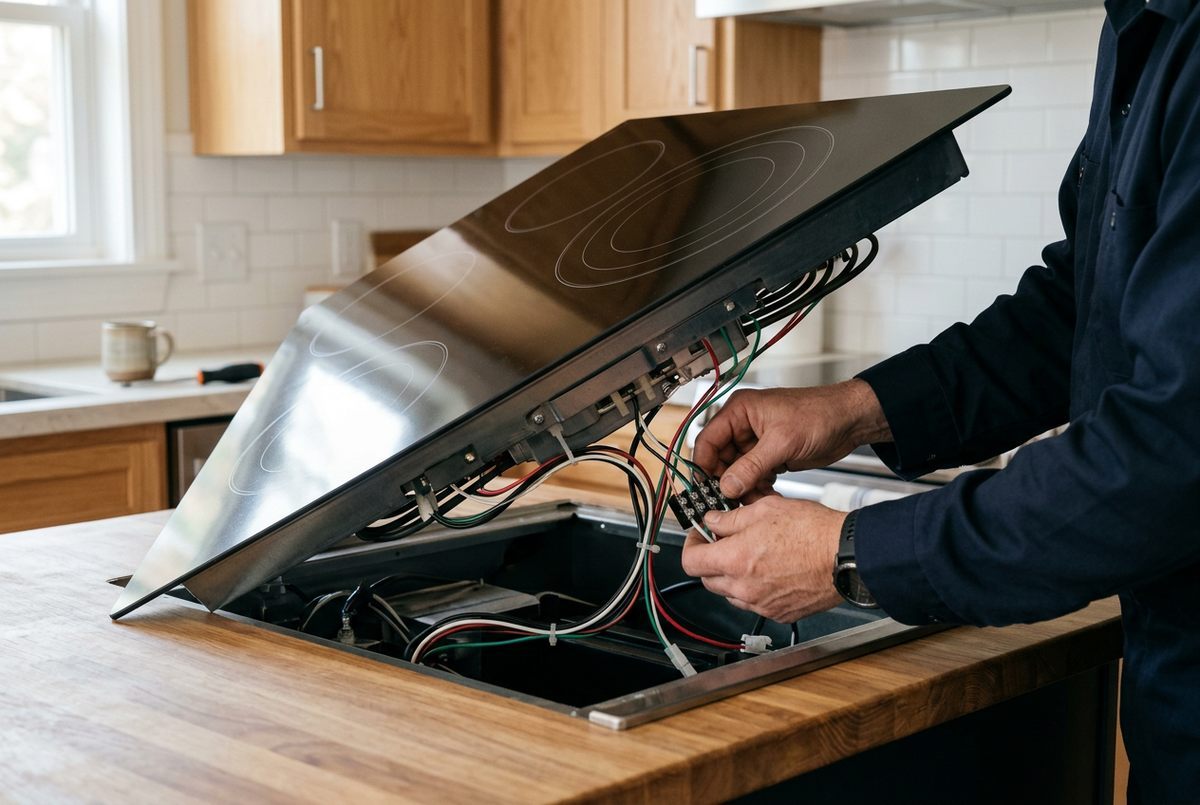
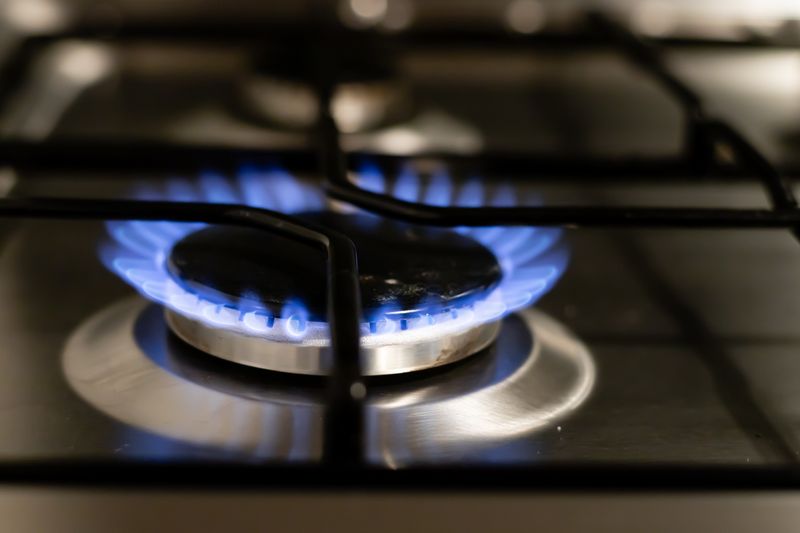
The cooktop symptoms we hear most
- It clicks and clicks but never lights Spark igniter, dirty or cracked electrode, wet switch
- One burner is dead, the rest work fine Failed surface element, infinite switch, or burnt terminal block
- My glass top only cooks on high Shorted infinite switch or stuck relay on the control board
- Flames are yellow and sooty Clogged burner ports, wrong orifice, or air shutter out of adjustment
- Touch panel ignores me or beeps by itself Moisture under the membrane, cracked ribbon cable, failed user interface board
Safe things to check first
Worth a look before you call — sometimes it saves you the visit.
- 1.Make sure the breaker for the cooktop hasn't tripped, and reset it once if it has
- 2Pull the grates and burner caps off a gas unit and clear food crust from the little port holes with a straightened paperclip
- 3Wipe the touch panel completely dry, since a film of water or grease reads as a finger press
- 4Check that a gas shutoff valve under the counter or behind a drawer wasn't bumped closed during a cleaning or repair
Guides & troubleshooting
What homeowners get from an independent shop
| Steve's Appliance Repair | Big-box repair chains | Handyman listings | |
|---|---|---|---|
| Written quote before any work | ✓ | ✕ | ✕ |
| Phones answered by people, every day | ✓ | ✕ | ✓ |
| Every major brand, gas or electric | ✓ | ✓ | ✕ |
| No manufacturer targets to hit | ✓ | ✕ | ✓ |
| Crews familiar with homes like yours | ✓ | ✕ | ✓ |
After the visit, in their words
“The person on the phone asked for the model plate ahead of time so the visit came stocked.”
Lena R.Clinton Township, MI“Dryer squealed like a train. New rollers, quiet laundry room, happy family.”
Gus P.Lee's Summit, MO“Explained the difference between the cheap fix and the durable fix, then let me pick.”
Nadia H.Carmel, INCooktop Repair — quick answers
Why do my gas burners spark on all sides at once?
Most cooktops share one spark module. When a single switch or electrode shorts, the module fires every igniter together. We find the offending burner, clean or replace the electrode, and check the switch contacts behind the knob.
Can a cracked glass cooktop be repaired?
The glass itself is replaced, not patched. A crack lets spills reach the elements and wiring underneath, so we recommend stopping use of that zone. We can price out a glass assembly against the age of the unit.
Is a burner that cycles on and off broken?
Usually not. Electric and radiant elements hold temperature by cycling power. Constant cycling on high, or cycling that never reaches a simmer, points at the infinite switch or a sensor limiting the element.
Do you work on downdraft and induction cooktops?
Yes. Downdraft units add a blower motor, damper, and duct path that collect grease. Induction relies on coils and power boards that read pan presence. Both get the same diagnostic walkthrough as a standard cooktop.
Why does my induction cooktop show an error and shut off?
Induction boards throttle down when they run hot. Blocked vents under the counter, a failing cooling fan, or a thermistor reading wrong will trigger a shutdown code. We check airflow first, then the power board.
Should I keep using a burner that smells like gas?
No. Shut the burner off, close the gas valve if you can reach it, open a window, and call the gas utility for a strong or steady odor. Once the line is cleared safe, reach us.
How it works
- Step 1
Tell us the symptom
Call us or fill out the form and describe what you hear, smell, or see. An error code helps. So does a puddle. We ask the brand and rough age so the van carries the parts we are likely to need.
- Step 2
We come look
Our technician tests the machine instead of guessing: water lines, heating elements, drain pumps, control boards. Then we explain what failed in plain words before any wrench turns.
- Step 3
Repair and clean up
Common parts ride with us, so a lot of repairs finish on that first visit. Special-order parts get scheduled right away. We run the cycle with you standing there, then haul off the old part and the packaging.
- A real person answers
- Open 7 days
- Written quote before work starts
Why homeowners call us
- Hard water is our specialtyMidwest water leaves scale on everything it touches. Crusted dishwasher spray arms. Clogged ice maker lines, and washers and water heaters full of mineral buildup. We know what that grit does to valves and seals, so we treat the cause instead of the symptom.
- Basement laundry roomsBasement setups fail differently than upstairs ones, between the long drain runs, the cold concrete, and lint packed into a vent that runs through the rim joist. We check the venting and the drain path too, not only the machine, so the same problem does not come back.
- Freeze-thaw season readyGarage freezers quit in January. Ice makers stop when the supply line freezes, and dryers labor when the vent hood ices over. Seasonal swings break appliances in fairly predictable ways, and those are the first things we look at on a winter call.
- Independent, all major brandsWe are not tied to any manufacturer, so we work on whatever is sitting in your kitchen or laundry room: refrigerators, ranges, dishwashers, washers, dryers, freezers. One shop, one call, whatever badge is on the door.
- All major brands, gas & electricIndependent service on Whirlpool, LG, Samsung, GE, Maytag, Bosch, KitchenAid and the rest.
- Straight answersIf it isn't worth repairing, we'll say so, often right on the phone.
Cooktop Repair
Small faults become big ones on a schedule of their own
Describe the symptoms and we'll book the visit — takes about a minute.
- A real person answers
- Open 7 days
- Written quotes
- All major brands
- Gas & electric
Rather not call? Get a free quote →